
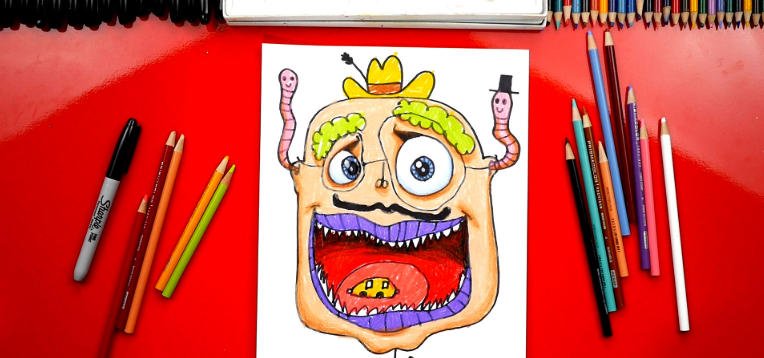
Drawing faces can be a delightful activity for kids, sparking their creativity and helping them develop fine motor skills. Whether it’s a silly grin or a sleepy frown, face drawings allow children to express their emotions while having fun. This guide will provide engaging projects that cater to young artists eager to explore the world of face drawings.
Creating Simple Faces
One of the best ways to introduce kids to drawing faces is to start with simple shapes. Encourage them to use a circle for the head and then add basic features—two dots for eyes, a curve for a smile, and perhaps a triangle for a nose. Kids can experiment with different expressions by adjusting the shapes and positions of the features. For instance, a wide smile can be created by stretching the curve, while a droopy mouth adds a sad touch. This encourages creative thinking and allows children to play with their emotions on paper.
Exploring Emotions Through Art
Drawing faces can serve as a fantastic tool for children to explore and understand emotions. Invite them to create a series of five faces, each representing a different feeling—happy, sad, angry, surprised, and scared. This activity not only enhances their drawing skills but also helps them articulate feelings that they might find difficult to express verbally. You can engage them further by asking what situations might cause each expression, creating a deeper understanding of emotions and prompting discussions about feelings and empathy.
Adding Unique Features
As kids become more comfortable with face drawing, encourage them to add unique features that reflect their personalities or interests. They can draw funny hats, colorful hair, or even accessories like glasses and earrings. Suggest that they think of their favorite characters from books or movies as inspiration. This project allows children to personalize their drawings, celebrating individuality while honing their artistic skills. Incorporating colors and patterns can also make the faces come alive, turning their simple creations into vibrant works of art.
Conclusion
Drawing faces offers endless opportunities for creativity and self-expression for young artists. By starting with simple shapes, exploring emotions, and adding unique features, kids can develop their skills while having fun. So, grab some paper and pencils, and let your little ones dive into the exciting world of face drawing. Who knows? They might just create their very own gallery of expressive faces!