
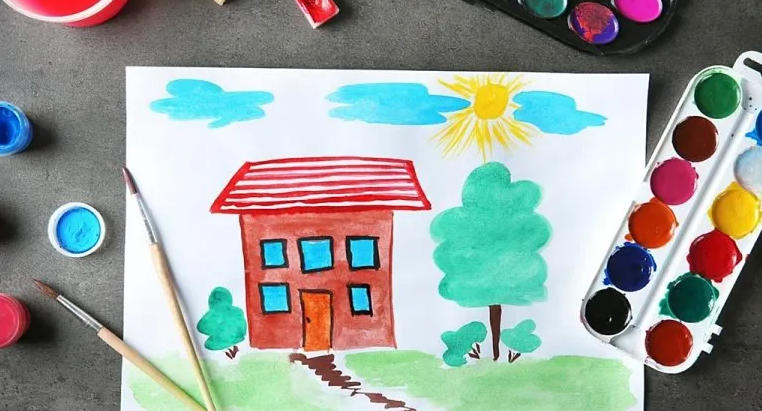
Children’s art is a window into their imaginative worlds, showcasing their thoughts, emotions, and unique perspectives. Understanding and appreciating children’s drawings can enhance our connection with them and provide insights into their development. This exploration of children’s art invites parents, teachers, and caregivers to engage with young creators and support their artistic journeys.
Exploring the Themes in Children’s Drawings
Children’s drawings often reflect their surroundings, experiences, and emotions. Common themes include family, nature, and fantastical elements like superheroes or animals. For example, a child’s depiction of a family may include exaggerated features, like big heads or colorful clothing, representing the love and warmth they feel. Nature scenes might showcase vibrant landscapes filled with imaginative creatures, revealing their curiosity and wonder about the world. Recognizing these themes can guide adults in discussing art with children, helping to deepen understanding and communication.
The Developmental Stages of Children’s Art
As children grow, their drawing skills and artistic expression evolve through distinct stages. In early childhood, art is more about exploration than accuracy, with scribbles being a crucial part of their developmental process. As children approach school age, their drawings become more representational, often resembling real objects and figures. This transition showcases their increasing cognitive abilities and fine motor skills. Encouraging children at each stage, whether through open-ended art projects or structured lessons, fosters confidence and creativity, allowing them to express themselves fully.
Encouraging Art in Everyday Life
Fostering children’s artistic talents doesn’t have to be complicated. Simple actions can create a supportive environment for creativity. Providing a variety of art supplies, such as crayons, paints, and collage materials, encourages experimentation. Setting aside time for art, whether through dedicated craft sessions or spontaneous drawing opportunities, can inspire children to create. Additionally, asking open-ended questions about their work, like “What story does your drawing tell?” can engage their imagination and enhance their narrative skills.
Conclusion: Embrace the Creative Journey
Children’s art is not just about creating beautiful pictures; it’s a vital part of their development and self-expression. By understanding the significance of their drawings and encouraging their creative impulses, we can help nurture their imagination and confidence. So, grab some art supplies, dive into a world of colors and shapes, and join children in their captivating artistic journey! Let’s celebrate their creativity and learn more about the enriching experience of engaging with children’s art.