
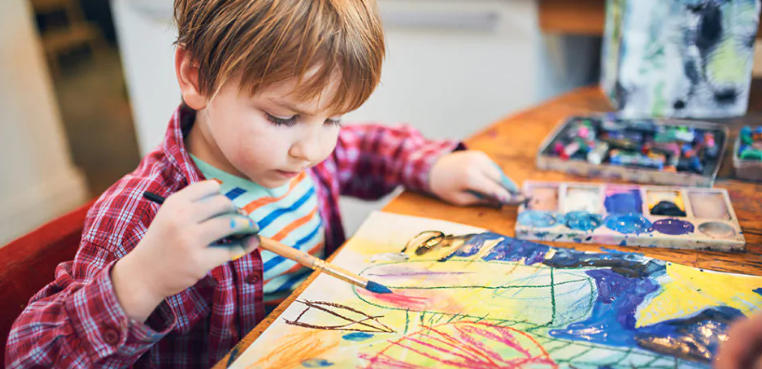
Art created by children holds a unique and captivating charm that resonates with both adults and kids alike. It serves as a window into their imagination, experiences, and emotions. Understanding and appreciating children’s art can enhance our connection with their world, fostering both creativity and emotional growth.
The Importance of Expression in Children’s Art
Children’s art is not just about the final product; it’s a vital form of self-expression for young artists. When children engage in creating art, they convey feelings and ideas that they may not be able to verbalize. This creative outlet can help them process their experiences and emotions, making it an essential part of their development. Recognizing the significance of their artistic expression encourages them to explore and communicate their thoughts freely, nurturing a sense of confidence and individuality.
Recognizing Developmental Stages in Art
As children grow, their artistic abilities evolve, often reflecting their cognitive and emotional development. From simple scribbles in early toddlerhood to more structured drawings by age six, each stage signifies a milestone in their artistic journey. Parents and educators can learn to recognize these stages, allowing them to offer appropriate encouragement and resources at each level. For instance, while toddlers might benefit from finger painting to develop motor skills, older children may thrive with guided lessons in perspective or color theory, fostering a deeper understanding of art.
Encouraging Creativity at Home
Creating a supportive environment for artistic expression at home can significantly influence a child’s creative journey. Parents can establish designated art spaces filled with various supplies, such as paper, colors, and textures to inspire creativity. Encouraging children to experiment without the fear of judgment can lead to innovative and personal expressions. Engaging in art projects together not only strengthens family bonds but also shows children that creativity is valuable, enriching their experience and passion for art.
In conclusion, children’s art is a vital and enchanting aspect of their development that offers insights into their minds and emotions. By fostering an appreciation for their creativity and understanding its significance, we can help children unlock their potential. If you’re intrigued by the magic of children’s art, consider spending time exploring it with the young artists in your life; you may find unexpected joy and inspiration as you do!