
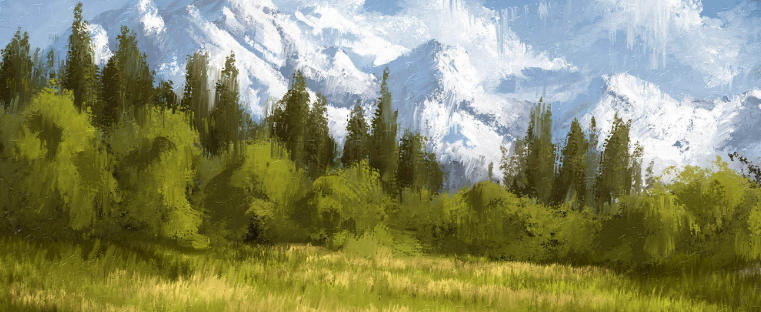
Scenic photography is a beautiful way to connect with the world around us, drawing out the stunning landscapes, vibrant colors, and intricate details of nature. This art form not only enhances our appreciation for the environment but also allows us to share its beauty with others through our lens. Whether you’re a seasoned photographer or just starting out, understanding the fundamentals of scenic photography can significantly improve your skills.
Finding the Perfect Location
The foundation of great scenic photography lies in selecting the right location. National parks, coastlines, mountain ranges, or local nature reserves all offer unique opportunities to explore various landscapes. Take time to research different areas, considering the time of year, weather conditions, and the best times of day for lighting. Early mornings and late afternoons, known as the golden hours, often provide the most flattering natural light. Don’t hesitate to wander off the beaten path; some of the most breathtaking scenes are found away from popular tourist spots.
Mastering Composition Techniques
Once you’ve chosen a location, it’s essential to focus on composition to create captivating images. Techniques like the rule of thirds can help you arrange elements in your frame effectively. By dividing your frame into three equal parts both horizontally and vertically, you can position key subjects along these lines or at their intersections, creating a more dynamic balance. Additionally, leading lines—paths, rivers, or fences—can draw the viewer’s eye into the depth of the photograph. Remember to be mindful of the foreground, middle ground, and background; incorporating elements from each layer adds depth and context to your photos.
Paying Attention to Light and Weather
Light is one of the most critical aspects of scenic photography. The quality, direction, and color of light can dramatically influence the mood and tone of your images. Overcast days often provide soft, diffused lighting ideal for capturing detailed textures without harsh shadows. Conversely, the golden hour can enhance colors and create long shadows, adding drama to the scene. Weather conditions also play a significant role; mist can lend an ethereal quality to a landscape, while storms can create a sense of adventure. Always be prepared to adapt your approach based on the light and weather to maximize your photographic opportunities.
Conclusion
Scenic photography is a rewarding way to express your creativity while deepening your connection with nature. By finding the right locations, mastering composition techniques, and paying attention to light and weather, you can capture stunning images that tell a story and evoke emotion. So grab your camera, step outside, and start exploring the wonders of the world around you! There’s an entire universe waiting for you to capture it.